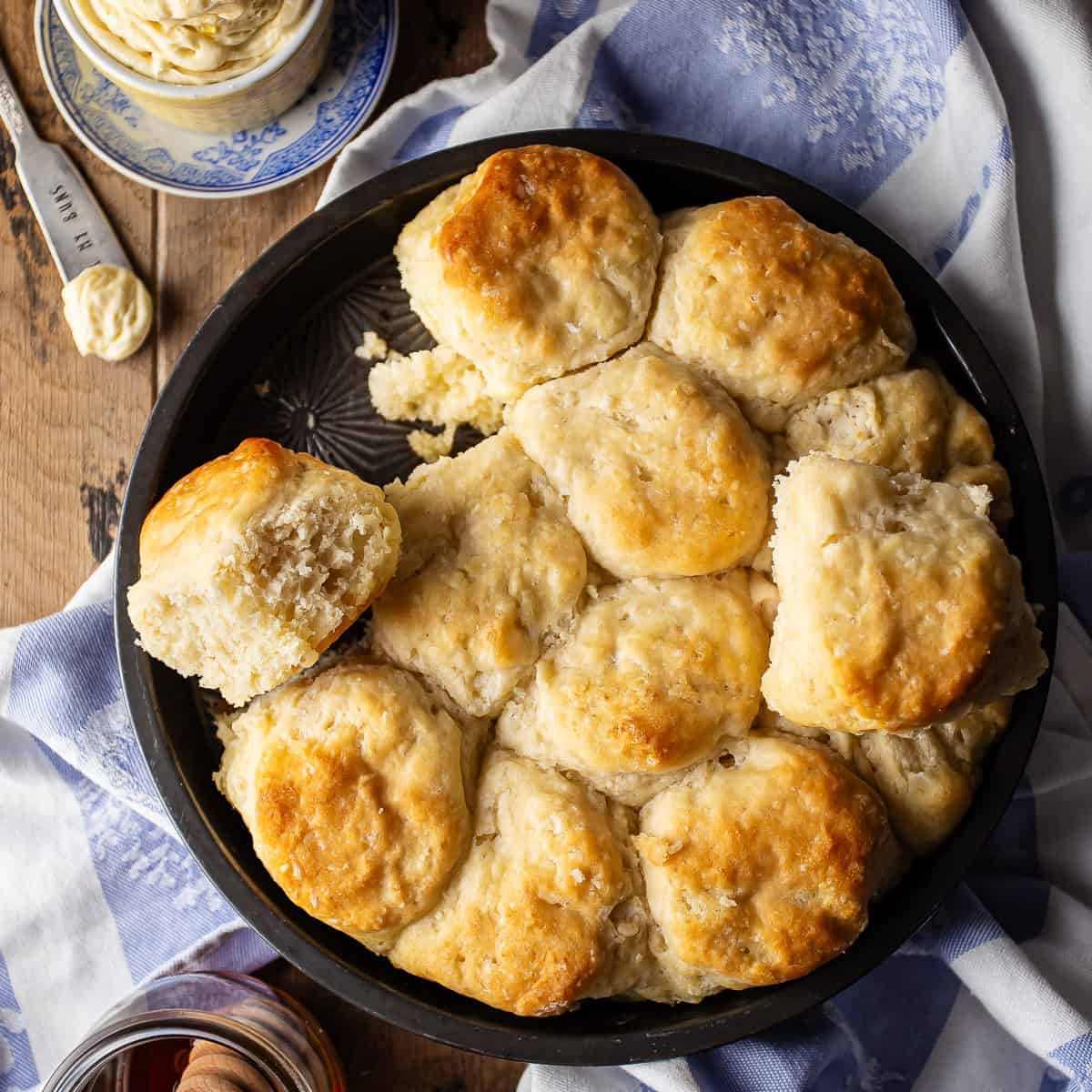
Wake Up to Fluffy: The Secret to Easy Overnight Angel Biscuits
Imagine waking up to the irresistible aroma of freshly baked biscuits, warm and golden, without having lifted a finger in the morning. For many, this sounds like a dream – a luxury reserved for five-star hotels or particularly dedicated home bakers. But what if we told you this dream could be your everyday reality, thanks to a culinary marvel known as angel biscuits? This ingenious twist on the classic Southern staple combines the tender, flaky texture of traditional biscuits with the rich, complex flavor of a yeast-raised roll, all while doing most of the work overnight in your fridge. Forget morning rush and messy counters; with an angel biscuits recipe, effortless gourmet breakfast is finally within reach.
The Alchemy of Angel Biscuits: Yeast, Butter, and Time
So, what exactly makes an angel biscuit so divine? It's a masterful blend of leavening agents and a patient, slow rise that sets them apart. Unlike purely baking powder-leavened biscuits, this
yeast-raised angel biscuits recipe introduces instant yeast into the mix. This isn't just a minor addition; it's a game-changer. The yeast works its magic over several hours, slowly fermenting the dough and developing a depth of flavor reminiscent of artisanal bread or a delicate Parker House roll. This gives angel biscuits a nuanced, almost savory profile that simply can't be achieved with quick-rise agents alone.
But the yeast isn't working solo. Angel biscuits often feature a powerful trio of leaveners: instant yeast, baking soda, and sometimes even a touch of baking powder. Each plays a distinct role:
- Yeast: Provides the primary slow lift, contributing to a wonderfully airy crumb and that signature complex flavor.
- Baking Soda: Reacts with any acidic components (though often just present for browning assistance in these milk-based recipes) and helps create a tender, soft texture.
- Baking Powder (if used): Delivers an additional boost of quick lift during baking, enhancing the overall fluffiness and ensuring those coveted flaky layers that are a hallmark of any great biscuit.
Combined with generous amounts of cold, high-quality butter, which creates pockets of steam that separate the dough into layers as it bakes, this multi-pronged leavening approach guarantees an unparalleled texture: light, fluffy, and tender, yet sturdy enough to stand up to any filling. It's truly an elevated biscuit experience, delivering on the promise of
angel biscuits: the flakiest, most tender biscuits you'll bake.
Wake Up to Wonder: The Overnight Advantage
The most enticing feature of any angel biscuits recipe is, without a doubt, its overnight convenience. Picture this: the evening before, you spend a mere 15-20 minutes mixing a few simple ingredients. You arrange your unbaked biscuits in a skillet, cover them, and tuck them into the refrigerator. While you sleep, the yeast embarks on its slow, cold proofing journey. This extended, chilled rise isn't just about saving time in the morning; it's a critical step for flavor development. The yeast metabolizes sugars more slowly at colder temperatures, producing a broader range of aromatic compounds that infuse the dough with incredible taste.
When your alarm rings, instead of the mad dash of traditional biscuit-making, all that's left is to preheat your oven and slide in your skillet of perfectly risen dough. Within minutes, your kitchen fills with the buttery, yeasty aroma of fresh baking – a sensory alarm clock far superior to any buzzer. These biscuits emerge from the oven golden brown, sky-high, and ready to enjoy, transforming hectic mornings into moments of pure culinary bliss. This hands-off approach makes angel biscuits ideal for entertaining, holiday breakfasts, or simply treating yourself to an extraordinary start to the day without the morning fuss.
Mastering the Mix: Key Ingredients and Techniques for Your Angel Biscuits Recipe
While the overnight rise is the star, the success of your angel biscuits recipe also hinges on a few fundamental ingredients and techniques. Paying attention to these details will ensure your biscuits are consistently light, flaky, and full of flavor.
Flour Power: The Foundation of Fluffiness
The type of flour you choose plays a significant role in the final texture of your biscuits. For angel biscuits, a balanced all-purpose flour is typically recommended. Flours vary in protein content, which directly impacts gluten development:
- High-protein flours (like bread flour or 100% hard red wheat): Excellent for chewy breads, but can make biscuits tough and dense.
- Low-protein flours (like pastry flour or 100% soft white wheat): While yielding tenderness, they can result in biscuits that are too soft and crumbly, almost cake-like.
A good quality, blended all-purpose flour (such as Gold Medal or similar brands) strikes the perfect balance. It provides enough protein for a sturdy yet delicate structure, allowing the biscuits to hold their shape and layers without being chewy or falling apart when split. This careful balance ensures that delicate "crumb" that holds up to honey, jam, or even a hearty breakfast sandwich.
Butter Best Practices: Keep it Cold!
As with any flaky biscuit, cold butter is non-negotiable. Cold cubes of unsalted butter, roughly incorporated into the dry ingredients, are key to creating those beautiful layers. As the biscuits bake, the water in the butter turns to steam, pushing apart the layers of dough and creating a light, airy texture.
You can incorporate the butter by hand, rubbing it into the flour until it resembles coarse crumbs with some pea-sized pieces remaining, or use a food processor for a quicker method with a few short pulses. The key is to avoid overworking the butter, which can melt it and lead to a less flaky result.
Hydration Hints: Simple Milk for Rich Flavor
Interestingly, many angel biscuits recipes call for plain milk (whole or skim – the fat content difference is negligible compared to the butter) rather than buttermilk or yogurt. While buttermilk provides a delightful tang in traditional biscuits, in angel biscuits, the focus is on showcasing the complex, yeasty flavor developed during the slow rise. The milk simply provides the necessary liquid to hydrate the dough and a touch of lactose for browning, allowing the unique character of the yeast to shine through.
Gentle Dough Handling: Pat, Don't Roll
After the initial mix and a brief room-temperature proof (typically around two hours for the yeast to get active), the dough will be puffy and soft. This is where gentle handling becomes paramount. Instead of aggressively rolling out the dough with a pin, many experts recommend patting it out by hand and then folding it several times. This technique, often referred to as "lamination," creates layers without crushing the delicate air cells that the yeast has so painstakingly created. If you do use a rolling pin, do so with a very light touch, careful not to compress the dough. The goal is to nurture that airy structure, not deflate it.
Tips for Angel Biscuit Perfection
To ensure your angel biscuits recipe delivers flawless results every time, keep these practical tips in mind:
- Use Cold Ingredients: Beyond just butter, keeping your milk and even your mixing bowl chilled can help prevent the butter from melting prematurely, maximizing flakiness.
- Don't Over-mix: Mix the dough just until combined. Overworking develops gluten excessively, leading to tough biscuits. A shaggy dough is perfectly fine.
- The Skillet Advantage: Baking your angel biscuits in a cast iron skillet is a time-honored tradition for good reason. The skillet's even heat distribution promotes consistent browning, and the close arrangement of biscuits in the pan helps them rise taller and more evenly, creating soft sides and a beautiful golden top.
- Allow for Proper Rise: Don't rush the cold proof. The full overnight duration (8-12 hours) is essential for both flavor development and rise.
- Preheat Your Oven Thoroughly: A properly preheated oven, often at a higher temperature (like 400-425°F or 200-220°C), helps the biscuits rise quickly and create a beautiful crust.
- Serving Suggestions: While simply split with butter and honey is divine, these versatile biscuits are also perfect for breakfast sandwiches with eggs and country ham, slathered with jam, or even as a base for savory gravy. Their sturdy yet tender crumb makes them incredibly resilient.
Conclusion
The angel biscuits recipe truly is a revelation, offering a magical blend of convenience and unparalleled flavor. By harnessing the power of yeast and the patience of an overnight rise, you can transform your mornings into a serene culinary experience, waking up to the buttery aroma and irresistible texture of freshly baked biscuits without any of the morning rush. So, next time you're dreaming of an elevated breakfast, remember the secret to fluffy perfection is already waiting for you, patiently rising in your fridge. Give angel biscuits a try, and prepare to wake up to a little slice of heaven.