Yeast-Raised Angel Biscuits: A Southern Twist for Unbeatable Flavor
Few things evoke the comforting embrace of Southern hospitality quite like a warm, flaky biscuit. The very thought conjures images of bustling breakfast tables and cozy gatherings. While the classic buttermilk biscuit holds a revered place in culinary history, there's a lesser-known, yet utterly divine, variation that promises an even richer experience: the angel biscuit. This ingenious creation takes the best of traditional biscuit making and elevates it with a secret ingredient – yeast – transforming a simple staple into a masterpiece of flavor and texture. If you're searching for an
angel biscuits recipe that delivers unparalleled tenderness, a complex flavor profile, and surprising convenience, you've found your culinary calling.
What Makes Angel Biscuits So Heavenly?
Angel biscuits stand apart from their traditional cousins through a unique leavening strategy that combines the rapid lift of chemical leaveners with the slow, complex magic of yeast. Unlike standard biscuits that rely solely on baking powder and/or baking soda for their rise, angel biscuits incorporate a small amount of yeast, allowing for a leisurely overnight fermentation in the refrigerator. This slow proofing process is the secret sauce, imparting several extraordinary benefits:
- Unbeatable Flavor Development: The yeast works its magic over hours, breaking down starches and sugars, resulting in a depth of flavor reminiscent of a fine Parker House roll. You get a subtle tang and yeasty aroma that is simply not present in quick-rise biscuits.
- Superior Texture: The combination of yeast with baking soda (and often baking powder, too) creates an incredibly light and airy crumb, yet one that remains sturdy enough to hold up to splitting and filling. You'll find layer after delicate layer, offering a tenderness that melts in your mouth.
- Morning Convenience: Perhaps the most practical advantage is the overnight rise. Imagine waking up to a ready-to-bake dough, filling your kitchen with the irresistible aroma of fresh biscuits with minimal morning effort. Just shape, refrigerate, and pop them into the oven when your alarm goes off. If you're curious to master this aspect, check out Wake Up to Fluffy: The Secret to Easy Overnight Angel Biscuits for more insights.
For anyone who has ever wrestled with biscuits that turn out like "doorstops or hockey pucks," as one baker aptly put it, angel biscuits offer a refreshing counter-narrative. Their inherent moistness, flakiness, and tenderness are a testament to this unique Southern twist.
The Secret Ingredients to Your Best Angel Biscuits Recipe
Crafting the perfect
angel biscuits recipe starts with understanding the role of each ingredient. While seemingly simple, the careful selection and combination are crucial for that heavenly result.
Flour Power: The Foundation of Flakiness
The type of flour you choose is paramount. Don't fall into the trap of using just any all-purpose flour without considering its composition.
- The Goldilocks Principle: 100% hard red wheat flour, high in protein, is excellent for chewy breads but makes for tough, dense biscuits. Conversely, 100% soft white wheat flour, while low in protein, can yield biscuits that are too soft, starchy, and cakelike.
- Blended All-Purpose Flour is Best: For angel biscuits, and indeed most biscuit recipes, a blended all-purpose flour (such as Gold Medal or White Lily if you can find it) is ideal. These flours combine both types of wheat, striking a perfect balance of protein and starch. This ensures your biscuits are delicate and light, yet sturdy enough to hold together when split.
Cold Butter is Key
Just like in traditional biscuit making, cold, unsalted butter is non-negotiable for achieving those coveted flaky layers. As the butter melts in the hot oven, it releases steam, creating pockets of air that result in a light, airy texture.
- Incorporation Method: Cut your cold butter into small cubes and work it into the dry mix. You can do this by hand – a gentle, tactile method that prevents overworking – or use a few pulses in a food processor. The goal is pea-sized butter pieces, not fully incorporated.
The Yeast Factor and Leavening Trio
While the main keyword is
angel biscuits recipe, understanding the leavening agents is vital.
- Instant Yeast (Not Rapid Rise): Opt for plain instant yeast. It integrates easily into the dry ingredients and begins its slow work during the refrigeration period without needing to be proofed separately. Rapid-rise yeast is too aggressive for the extended cold proof.
- Baking Soda: This chemical leavener works alongside the yeast. Its primary role here is to aid in browning, contributing to that beautiful golden crust, and providing an additional lift. Some recipes also include baking powder, creating a powerful "trio" of leaveners for maximum rise and tenderness.
The Liquid Choice
While some recipes call for buttermilk or cream to add extra moisture and tang, many classic angel biscuit recipes hydrate the dough with plain milk.
- Focus on Yeast Flavor: Using plain milk (whole, low-fat, or skim – the minimal fat difference is negligible compared to the butter content) puts the focus squarely on the rich, yeasty flavor developed during the long rise, rather than adding a competing tang from buttermilk. Use whatever milk you have on hand; it won't significantly alter the final product's quality.
Mastering Your Angel Biscuits Recipe: Technique & Tips
Beyond the ingredients, technique plays a crucial role in achieving the light, flaky texture that defines angel biscuits.
Gentle Handling is Paramount
This is perhaps the most important rule for any biscuit dough, and especially for a delicate yeast-raised one.
- No Overworking: Overmixing or over-kneading develops the gluten too much, leading to tough biscuits. Mix just until combined.
- Patting vs. Rolling: When shaping, gently pat the dough out by hand on a lightly floured surface. This tender treatment preserves the air cells created by the leaveners. If you use a rolling pin, be exceedingly gentle, taking care not to compress the dough.
- The Folding Method: A crucial step for creating layers is the pat-and-fold technique. After patting the dough into a rectangle, fold it into thirds (like a letter), then gently pat it out again. Repeat this process a few times. This mimics laminating and builds those wonderful flaky strata. For a deeper dive into techniques for flakiness, you might find Angel Biscuits: The Flakiest, Most Tender Biscuits You'll Bake particularly helpful.
The Two Rises: Patience is a Virtue
Angel biscuits require two distinct proofing periods:
- The First Rise (Room Temperature): After mixing the dough, cover it and let it proof at a cool room temperature (around 70°F/21°C) for about 2 hours, or until roughly doubled in size. This initial rise gets the yeast actively working.
- The Second Rise (Overnight in the Fridge): After shaping and arranging the biscuits in a cast iron skillet, cover them and transfer them to the refrigerator overnight (8-12 hours). This slow, cold proof develops the deep, complex flavors and ensures they're ready to bake first thing in the morning.
Baking Vessel: The Cast Iron Advantage
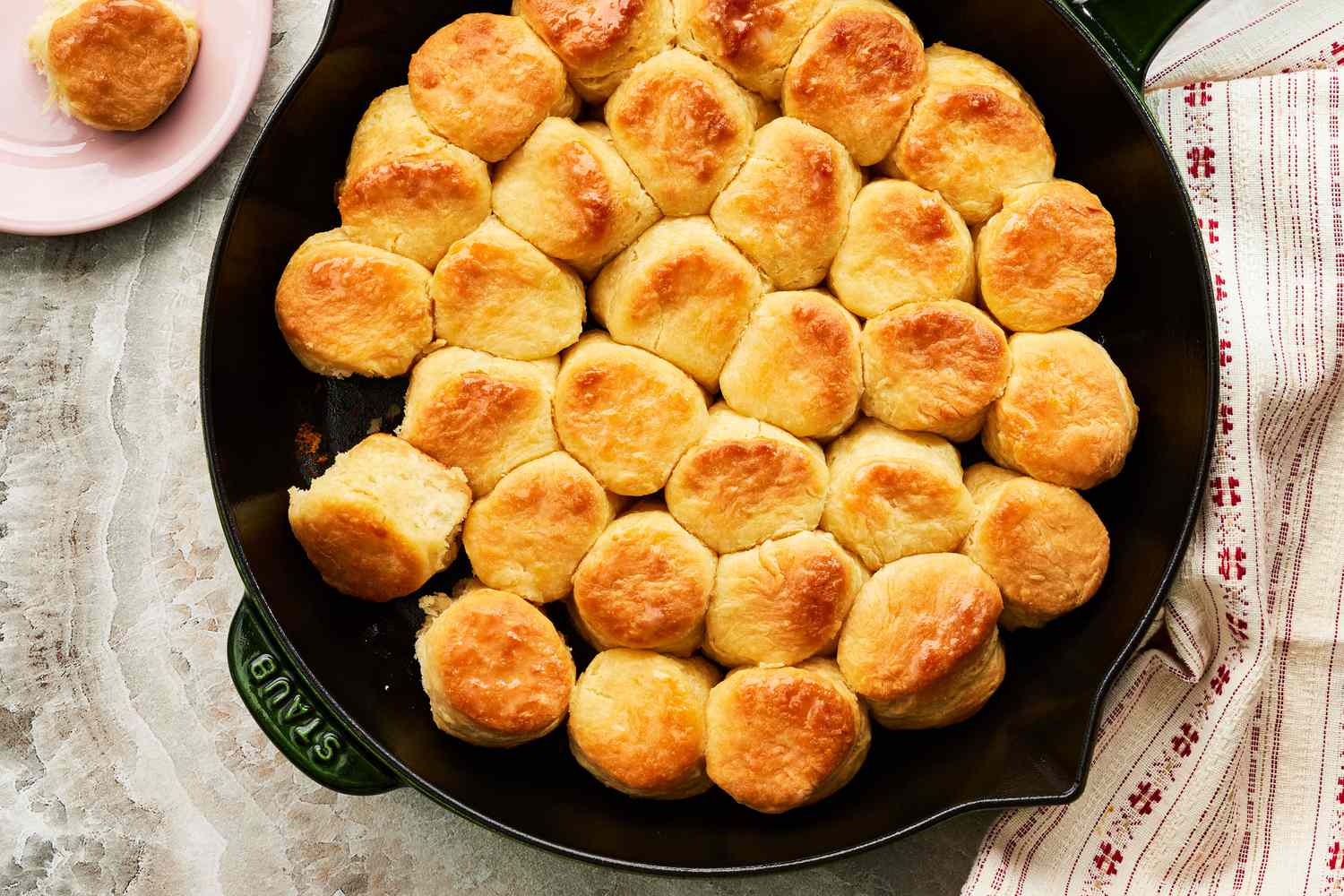
Baking your angel biscuits in a cast iron skillet offers distinct advantages:
- Even Heat Distribution: Cast iron heats evenly and retains heat beautifully, ensuring a consistent bake from edge to center.
- Controlled Rise: The sides of the skillet provide support, encouraging the biscuits to rise upward rather than spreading out, resulting in taller, fluffier biscuits. Plus, the close proximity helps create soft, tender sides while allowing the tops to brown beautifully.
Elevating Your Angel Biscuits: Serving & Pairings
Once pulled from the oven, glistening with a golden hue and emanating an intoxicating aroma, your angel biscuits are ready to shine. Their versatility is another reason this
angel biscuits recipe is a household favorite.
- The Classic Southern Spread: Serve them simply split with a generous pat of butter and a drizzle of local honey or a spoonful of homemade fruit jam. Their delicate sweetness and yeasty undertones are perfectly complemented by these simple additions.
- Savory Delights: Don't limit these to sweet toppings. Their sturdy yet tender crumb makes them ideal for savory applications. Split them open and pile high with fluffy scrambled eggs, slices of crispy bacon, or a thick piece of country ham. They're also an exceptional vehicle for soaking up rich sausage gravy.
- Beyond Breakfast: Think of them as more than just a breakfast item. Use them as mini sandwich buns for sliders, or even as the base for a savory shortcake with stewed chicken and vegetables. Their resilience means they won't crumble apart, making them a fantastic alternative to dinner rolls at any meal.
In conclusion, the
angel biscuits recipe is a true testament to Southern culinary ingenuity – a brilliant fusion of traditional biscuit simplicity with the rich complexity of yeast-raised dough. They offer an unbeatable flavor, a uniquely tender and flaky texture, and the sheer convenience of overnight preparation. By understanding the nuances of flour, butter, leaveners, and technique, you can easily create these heavenly biscuits in your own kitchen. Whether slathered with butter and jam, or forming the base of a hearty breakfast sandwich, these yeast-raised wonders are guaranteed to become a cherished addition to your recipe repertoire, delivering a taste of the South that is simply unforgettable.